
13 side effects of the Keto Diet that you should know about
Most people who switch to a keto diet experience something that many people call the keto flu. Although it is not a recognized medical condition, switching to a keto diet can cause flu-like symptoms for the first week or so that you are on the diet. Vomit, gastrointestinal distress, fatigue, and lethargy are all signs of the keto flu, though they usually pass within a couple of days.
The reason for the keto flu is the adjustment period between switching from sugar fuel to fat fuel. Your body gets tired and worn down in the process, but it quickly adjusts to the change. Sleeping well, drinking water, and drinking matcha green tea are great ways to bust these symptoms.
People on the keto diet also experience diarrhea. This is often due to the gallbladder, the organ associated with fat breakdown, feeling overworked. Diarrhea can also be due to a lack of fiber, a common problem for those on the keto diet. Eat fiber-rich vegetables or supplements to help lessen this effect.
One of the more severe side effects of the keto diet is ketoacidosis. Though ketoacidosis is unlikely for people without a prior health concern, those with 12 type 1 or type 2 diabetes should only use the keto diet while being monitored by a doctor due to this side effect.
Ketoacidosis is when the body stores too many ketones and the blood becomes too acidic. This can cause liver, kidney, and brain damage. Dry mouth, frequent urination, nausea, bad breath, and breathing difficulties are signs of ketoacidosis.
Here is a list of all the adverse side effects that have been reported due to a keto diet:
Keto flu
Insomnia
Fatigue
Nausea and vomiting
Endurance issues
Headaches
Constipation
Dizziness
Diarrhea
Vitamin and mineral deficiencies
Kidney stones
Hepatic stenosis (fatty liver)
Hypoproteinemia (low levels of protein in the blood)
How to avoid side effects on the keto diet
1. Make sure to get enough electrolytes, such as sodium, potassium, and magnesium

Electrolytes are essential for regulating the balance of fluids in your body and maintaining nerve and muscle function. Low electrolyte levels can contribute to fatigue, headaches, and muscle cramps. Make sure to include plenty of foods that are high in electrolytes, such as leafy green vegetables, nuts, seeds, and dairy products.
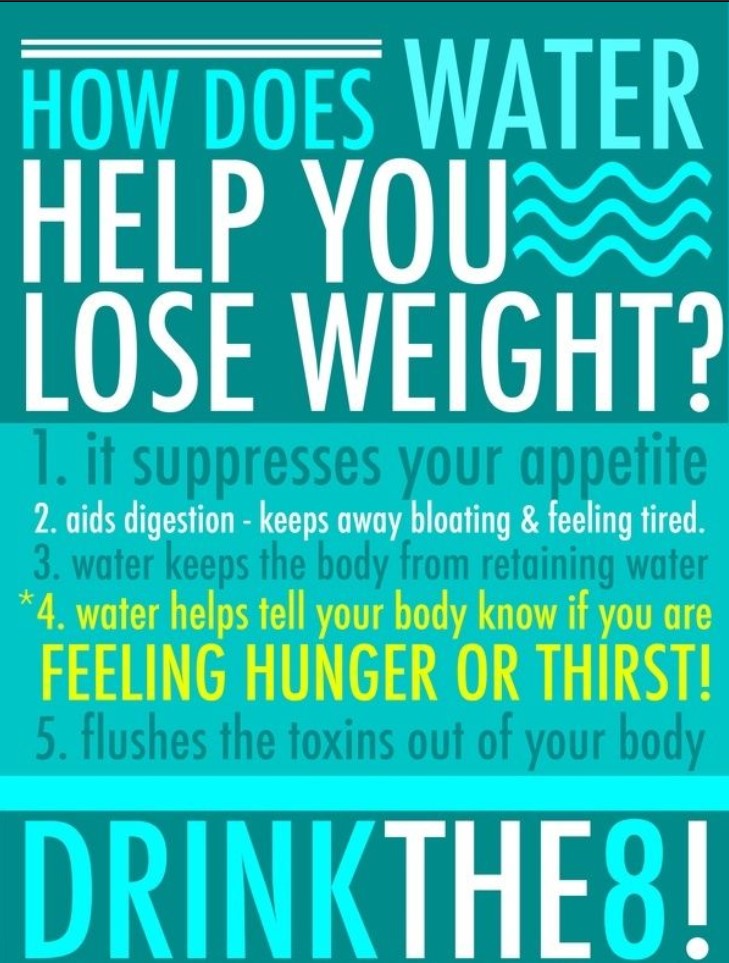
2. Increase your water intake
Drinking more water can help prevent dehydration, which can lead to fatigue, dizziness, and headaches. Aim to drink at least eight 8-ounce glasses of water each day.
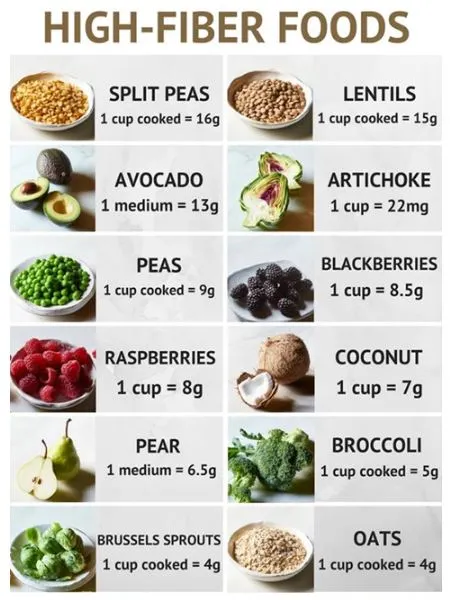
3. Eat more fiber-rich foods
Fiber helps to keep you feeling full and can help to prevent constipation, which is a common side effect of the keto diet. Aim to include plenty of high-fiber foods, such as vegetables, fruits, legumes, and whole grains.
4. Eat small, frequent meals throughout the day
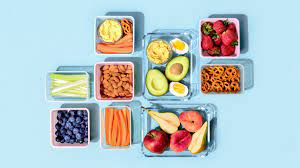
Eating small, frequent meals can help to prevent hunger and cravings, which can make the diet easier to stick to. Aim to eat every 3-4 hours and include a variety of healthy foods at each meal.

5. Get regular exercise.
Regular exercise can help to increase energy levels, improve mood, and reduce the risk of side effects. Aim for at least 30 minutes of moderate-intensity exercise each day. Try activities such as walking, yoga,jogging, cycling, swimming, or strength training.
6. Monitor your blood sugar and ketone levels
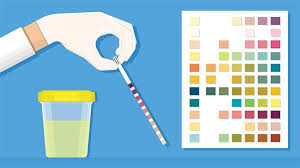
Monitoring your blood sugar and ketone levels can help to ensure that you’re staying within an acceptable range and can help to prevent any potential side effects.

7. Avoid high-fat, processed foods
High-fat, processed foods can be difficult to digest and can contribute to digestive issues, such as diarrhea and constipation. Aim to focus your meals on whole, unprocessed foods.
8. Eat a variety of nutrient-dense foods
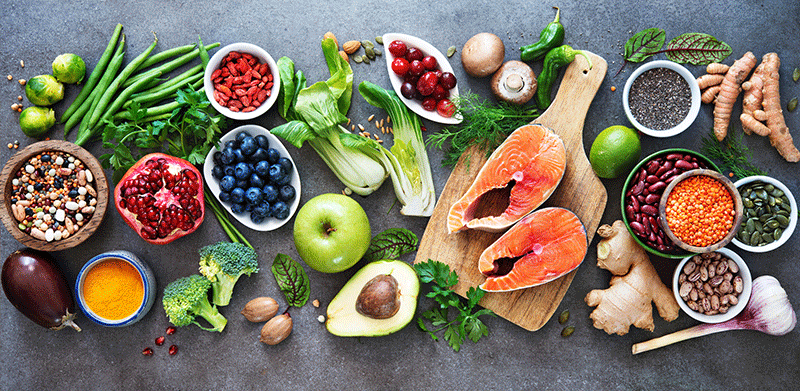
Eating a variety of nutrient-dense foods can help to ensure that you’re getting all the vitamins and minerals you need to stay healthy while on the keto diet. Include plenty of vegetables, fruits, lean proteins, healthy fats, and whole grains.
9. Take a multivitamin
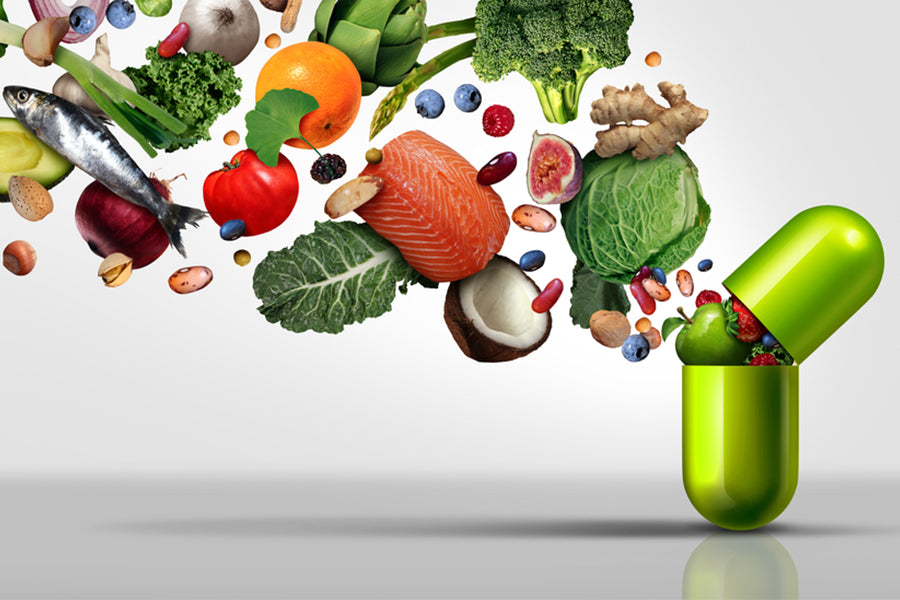
Taking a multivitamin can help to ensure that you’re getting all the vitamins and minerals your body needs. This can be especially important if you’re not able to get all the nutrients you need from your diet.
10. Talk to your doctor about any medications you may be taking
Talk to your doctor about any medications you may be taking that could interact with the keto diet. Certain medications can interact with the keto diet, so it’s important to talk to your doctor about any medications you may be taking to ensure that the diet is safe for you. It’s also important to make sure that any changes in your diet or lifestyle while on the keto diet are discussed with your doctor as well.

The Site and our mobile application may contain links to affiliate websites, and we receive an affiliate commission for any purchases made by you on the affiliate website using such links at no aditional cost to you.
